21+ only. This article is educational, not medical or legal advice. Nixodine is a nicotine analogue and an adult product. Statements about Nixodine have not been evaluated by the FDA. Laws and safety research are changing, so check current rules in your state.
Last updated: July 2026
Nixodine is a synthetic nicotine alternative that its maker says isn't made from tobacco or nicotine. It's usually a blend of nicotinamide (a form of vitamin B3) and a nicotine analogue called 6-methylnicotine, often shortened to 6-MN. Nixodine hits the same receptors in your brain that nicotine does, so it can feel similar to vaping nicotine. The company behind it markets Nixodine as smoother and "potentially less toxic," but that safety claim isn't independently proven. Public long-term research is limited, and some scientists warn the 6-MN analogue could be more toxic and more addictive than nicotine, not less. So the honest answer is: Nixodine is a nicotine-like chemical with real effects and real open questions.
Key Takeaways
- Nixodine is marketed as a synthetic nicotine alternative, not tobacco- or nicotine-derived, per its maker (nixodineinside.com).
- It's commonly nicotinamide plus the analogue 6-methylnicotine (6-MN), though the exact recipe varies.
- It activates the same nicotinic receptors as nicotine, so it isn't nicotine-free in effect.
- The maker's "smoother" and "potentially less toxic" claims aren't independently verified, and its safety white paper isn't public yet.
- Some researchers warn 6-MN may be more toxic and addictive than nicotine. It's a 21+ adult product.
What Nixodine Is (and Where the Name Comes From)
Nixodine is a branded nicotine alternative sold for use in vapes and pouches. Its maker describes it as a "synthetically derived alkaloid" that isn't sourced from tobacco or from nicotine itself. In plain terms, it's a lab-made chemical designed to give a nicotine-like feel.
The name reads like a blend of "nicotine" and a new twist, and that's the point. Companies use names like Nixodine and the related "metatine" to signal something adjacent to nicotine but marketed as different. Metatine is another synthetic nicotine-alternative brand you'll see in the same space, so if you're comparing options, you'll run into both.
According to the maker's site (nixodineinside.com), Nixodine is protected by five US patents filed between April 2024 and December 2025. That patent activity tells you this is a new, actively commercialized category, not a long-studied ingredient. We break down the direct comparison in our guide on Nixodine vs nicotine.
What Nixodine Is Made Of
Nixodine's composition varies by product and version, so treat any single "recipe" with caution. Independent reporting and product listings describe a common formula built on two ingredients.
- Nicotinamide: a form of vitamin B3 (niacinamide). It's used widely in supplements and skincare, which is part of why some marketers frame these blends as supplement-like.
- 6-methylnicotine (6-MN): a synthetic nicotine analogue. It's structurally close to nicotine but not the same molecule, and it's the ingredient that drives the nicotine-like effect.
Some versions, sometimes labeled "Nixodine-S," lean on the 6-MN analogue. Because the blend can differ between products, two items both labeled "Nixodine" won't necessarily contain the same amounts. That variation matters for anyone trying to judge strength or effect, and it's one reason independent researchers say more testing is needed (source: NCBI/PubMed studies on 6-methylnicotine pod systems).
One more label note: Nixodine is a nicotine analogue, not nicotine and not a nicotine salt. Calling it "nicotine" would be inaccurate. Calling it "nicotine-free" would also mislead, since it acts on the same receptors nicotine uses.
How Nixodine Works
Nixodine works by activating nicotinic acetylcholine receptors, or nAChRs, the same receptor family nicotine binds to. That's the core reason a Nixodine vape can feel a lot like a nicotine vape. The maker positions this as a feature: same familiar effect, different source molecule.
Here are the practical details users tend to ask about, with each claim tied to its source.
- Throat hit: the maker describes Nixodine as almost tasteless and odorless with a mild throat hit, marketed as "smoother." That's the company's positioning, not an independent finding.
- No benzoic acid: unlike typical nicotine salts, these blends often skip benzoic acid, which reporting links to the smoother draw people describe (source: Ecigator, VaporDNA).
- No cotinine: your body doesn't break Nixodine down into cotinine, the marker standard nicotine tests look for. We cover what that means for testing in the section below.
"Smoother" is about feel, not safety. A milder throat hit doesn't tell you anything about long-term risk, and it can make heavier use easier, which is worth keeping in mind.
How Nixodine Differs From Nicotine and Synthetic Nicotine
Nixodine differs from regular nicotine in its source and its molecule, and it's also different from lab-made "synthetic nicotine." Synthetic nicotine is still nicotine, just made in a lab instead of extracted from tobacco. Nixodine's maker says its product is a different molecule entirely (a nicotine analogue), not nicotine in any form.
Here's a quick side-by-side of the three.
| Type | What it is | Shows up on a standard nicotine test? |
|---|---|---|
| Tobacco-derived nicotine | Nicotine extracted from tobacco | Yes (via cotinine) |
| Synthetic nicotine | Nicotine made in a lab, same molecule | Yes (via cotinine) |
| Nixodine (6-MN blend) | A nicotine analogue, per its maker | Typically no (no cotinine) |
That difference in molecule is the whole marketing pitch, and it's also what drives the legal and safety debates. For the full breakdown, see our Nixodine vs nicotine comparison.
The Regulatory Gray Zone
Nixodine sits in a legal gray zone that's starting to close. Because the maker says it contains no nicotine, it can argue it falls outside the FDA's Tobacco Control Act, which governs tobacco and nicotine products. Some sellers go further and argue for a dietary-supplement framing, pointing to the vitamin B3 (nicotinamide) content.
Regulators aren't all on board. California acted in 2024 to treat nicotine analogues the same as nicotine, which closes the loophole in that state (source: California 2024 analogue law). Other states are looking at "inhalable product" rules and registry requirements, and analogue products have already hit registry snags in places like Virginia (source: rxvape 2026 state guide).
So the picture is state by state and moving fast. A product that's sold freely in one place may be restricted in another. For the current, detailed rundown, read our Is Nixodine legal? state-by-state guide, and check the national context in our 2026 vape laws by state overview.
Safety: What's Known and What Isn't
The honest summary is that Nixodine's safety is unsettled. The maker markets it as "potentially less toxic" than nicotine and says a safety white paper is "in progress," but that paper hasn't been released, and the "less toxic" claim isn't independently verified (source: nixodineinside.com).
Independent research points the other way on key questions. Public long-term data is limited, and some researchers warn that the 6-MN analogue may be more toxic and more addictive than nicotine, not less (source: NCBI/PubMed). Here's how the two sides line up.
| Topic | Maker's claim | Independent view |
|---|---|---|
| Toxicity | "Potentially less toxic" | Unproven; some warn 6-MN may be more toxic |
| Addiction | Smoother, milder feel | Acts on the same receptors; may be more addictive |
| Evidence | White paper "in progress" | Limited public long-term research |
We're not making a safety call here, in either direction. What we can say is that a smoother throat hit isn't proof of a lower risk, and "not evaluated by the FDA" means no regulator has vetted these claims. For the deeper dive, see our Is Nixodine safe? what the research says guide.
Where You'll Find Nixodine
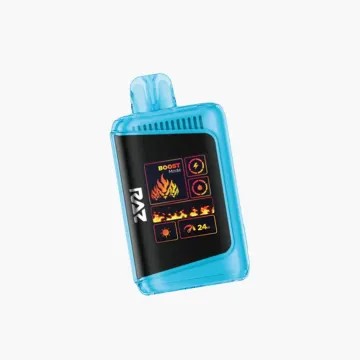
Nixodine shows up in vapes and pouches from brands testing the alternative-nicotine space. At Vape City USA, the product that uses it is the HQD Snap 50K Kit, a magnetic modular device rated for up to 50,000 puffs on an 18mL capacity, listed at 5% strength.
If you want to browse the maker's full lineup, you can shop the HQD brand page. For a hands-on look at the device itself, our HQD Snap 50K review covers the hardware, the pods, and how the Nixodine draw actually feels.
A quick reminder before you buy: this is a 21+ adult product, it's a nicotine analogue rather than a nicotine-free option, and local rules vary. Check your state's current stance first.
Frequently Asked Questions
Is Nixodine the same as nicotine?
No. Nixodine's maker says it's a synthetic nicotine analogue that isn't derived from tobacco or nicotine. It's usually built on nicotinamide plus 6-methylnicotine. It isn't nicotine and isn't a nicotine salt, but it does act on the same nicotinic receptors, so it isn't nicotine-free in effect either.
Is Nixodine safe?
That's unsettled. The maker markets it as "potentially less toxic," but that claim isn't independently verified and its safety white paper isn't public. Public long-term research is limited, and some researchers warn 6-MN may be more toxic and addictive than nicotine. Statements about Nixodine haven't been evaluated by the FDA.
Does Nixodine show up on a nicotine test?
Typically no. Your body doesn't metabolize Nixodine into cotinine, the marker most standard nicotine tests measure, so those tests usually miss it. This is educational information, not advice to get around any test. We cover the details in our does-Nixodine-show-up guide.
Is Nixodine legal?
It depends on your state, and the landscape is tightening. Makers argue it falls outside the FDA Tobacco Control Act because it contains no nicotine, but California moved in 2024 to treat nicotine analogues like nicotine, and other states are adding rules. Check current local law before buying.
What products use Nixodine?
At Vape City USA, the HQD Snap 50K Kit uses Nixodine at 5% strength in a magnetic modular device. You can browse related devices on the HQD brand page. Nixodine is a 21+ adult product.
Disclaimer: This article is for general education only and is not medical or legal advice. Nixodine is a nicotine analogue and a 21+ adult product. Claims attributed to the maker have not been evaluated by the FDA and are not verified by Vape City USA. Independent safety research is limited and ongoing. Laws differ by state and change often, so confirm current regulations where you live before purchasing.