This article is educational and isn't legal advice. Nixodine law is a fast-moving gray area that changes month to month. Always verify your current state and local rules, and consult a qualified attorney before buying or selling. Nixodine is a nicotine alternative for adults 21+ only. These statements have not been evaluated by the FDA.
Right now Nixodine sits in a legal gray area. Because it's a nicotine alternative that contains no tobacco-derived nicotine, its makers argue it falls outside the FDA's tobacco rules. That's the whole pitch. But the gap they're using is closing fast. California already treats nicotine analogues the same as nicotine, and more states are moving that way in 2026 and 2027. So the honest answer is: Nixodine is not clearly banned at the federal level today, but it isn't clearly protected either, and at least one big state has already shut the door. Whether you can legally buy or sell it depends entirely on where you live, and that answer is shifting. Always check your current state law before you act.
Key Takeaways
- Nixodine is a nicotine analogue (commonly nicotinamide plus 6-methylnicotine), not tobacco-derived nicotine, so makers market it as "PMTA-exempt" and "not evaluated by the FDA."
- Federally, it currently sits outside the Tobacco Control Act's clear reach, but the FDA has not ruled that it's exempt, and that could change.
- California closed the loophole first. AB 3218 (2024) redefined "nicotine" to include nicotine analogues, so Nixodine is treated like nicotine there.
- Registry and "inhalable product" debates in states like Virginia show the trend is toward covering these products, not exempting them.
- This is a gray area "turning red." Verify your current state law and don't assume "legal everywhere."
The Short Answer on Nixodine's Legal Status
There's no single national rule that says "Nixodine is legal" or "Nixodine is banned." Instead you have a federal framework built for tobacco and nicotine, a product designed to sidestep it, and a growing list of states writing new definitions to pull it back in.
Here's the quick version before we dig into the details:
- Federal: Nixodine contains no nicotine from any source, so it currently sits outside the FDA's tobacco authority as written. It is not "FDA-approved," and its makers say it's "not evaluated by the FDA."
- California: Already treats nicotine analogues like nicotine under state law. The loophole is closed there.
- Most other states: A gray zone. Existing vape and tobacco laws often don't mention analogues yet, but many could be amended.
If you want the wider picture on where nicotine vapes stand across the country, our vape laws by state 2026 guide covers the traditional side. This article focuses on why Nixodine is different, and why that difference may not last.
Why Makers Say Nixodine Is Outside FDA Authority (the Loophole)
The whole legal argument rests on one point: Nixodine isn't nicotine, and it isn't made from tobacco. It's a synthetically derived nicotine analogue, commonly a blend of nicotinamide (a form of vitamin B3) and 6-methylnicotine, often shortened to 6-MN.
The FDA's authority over vapes comes from the Family Smoking Prevention and Tobacco Control Act (the TCA). That law covers "tobacco products," and in 2022 Congress extended it to cover synthetic nicotine too. But it's built around nicotine. Makers of Nixodine argue that because their product delivers a different molecule, it isn't a "tobacco product" and isn't the synthetic nicotine that the 2022 amendment named. On that reading, no Premarket Tobacco Application (PMTA) is required, which is why you'll see the phrase "PMTA-exempt" on marketing.
Some makers go further and position these products as dietary supplements, leaning on the nicotinamide (vitamin B3) angle. You'll also see the standard supplement disclaimer that "these statements have not been evaluated by the FDA." The maker's own site, nixodineinside.com, frames Nixodine as avoiding "the regulatory constraints of tobacco-derived nicotine." (For the full breakdown of what the molecule actually is, see our pillar, What Is Nixodine?.)
That's the argument. It's a real gap in the law's wording. But an argument isn't a ruling, and the gap is exactly what regulators are now moving to close.
The FDA and Tobacco Control Act Angle
Here's the nuance most marketing skips. The Tobacco Control Act doesn't define "nicotine" in precise chemical terms. That silence is what created the opening. Researchers and legal analysts have pointed out that it will ultimately be up to the FDA (and potentially the courts) to decide whether a nicotine analogue like 6-methylnicotine counts as a form of "nicotine" under the law.
In other words, "outside FDA authority" is a claim about how the current text reads, not a decision the FDA has made in Nixodine's favor. The FDA hasn't declared these products exempt. It hasn't cleared them either. They simply haven't been evaluated, which is very different from being approved.
Independent researchers have flagged a second problem. Peer-reviewed and preprint studies (published through NCBI/PubMed and medRxiv) that tested products marketed as "PMTA-exempt" or "FDA-exempt" found high variability in analogue content and misleading labeling. Some of that same research reported that 6-MN was more potent than nicotine in preclinical tests. So the "it's outside the rules" framing is doing a lot of work, and public-health voices are actively arguing the rules should be updated to cover it.
Bottom line: "PMTA-exempt" and "not evaluated by the FDA" are not the same as "FDA-approved" or "confirmed legal." Treat them as an unsettled maker's argument, not a guarantee.
States Closing the Gap
This is where the gray area is turning red. States don't have to wait for the FDA. They can rewrite their own definitions of "nicotine" and "tobacco product," and some already have.
California: the loophole is already closed
California moved first and hardest. In 2024, the legislature passed Assembly Bill 3218 (AB 3218), which Governor Newsom signed on September 28, 2024. It took effect January 1, 2025. AB 3218 revised the state's definition of nicotine to include, in plain terms, "any form of the chemical nicotine, including any salt or complex, whether naturally or synthetically derived," and it specifically added "nicotinic alkaloids and nicotine analogs."
That last phrase is the key. By naming nicotine analogues directly, California pulled products like Nixodine under the same tobacco rules as regular nicotine vapes. So in California, the "it's not nicotine" argument doesn't work. The state also maintains an Unflavored Tobacco List, and its flavor ban reaches these products too. Denver has taken a similar step at the local level.
Virginia and the registry / "inhalable product" trend
Other states are circling the issue through product registries and broader "inhalable product" definitions. Virginia, for example, has been building out its vape registry system, and analogue products like the NoNic6/Nixodine family have surfaced in those debates over what belongs on the list. The direction of travel is toward inclusion, not exemption.
New York is studying the same move. In early 2026 the Public Health Law Center published a framework for regulating nicotine analogues in New York State, a sign that large states beyond California are working on this. More broadly, several states are considering rules that regulate a product by how it's used (an inhalable consumer product) rather than only by its exact chemistry. A definition written that way doesn't care whether the molecule is nicotine or an analogue. That approach, if it spreads, would capture Nixodine the same way California's language does.
The 2026 to 2027 window
Many state vape laws were written before non-nicotine inhalables existed, so they simply don't mention analogues yet. That's the gap Nixodine uses. But those same laws can be amended, and the pattern set by California gives other legislatures a ready template. It's reasonable to expect more states to add analogue or inhalable-product language across 2026 and 2027. A product that's in a gray zone in your state today could be clearly covered next session.
What This Means for Shoppers
If you're a consumer trying to figure out whether you can legally buy Nixodine, here's the practical read.
- In California: Nixodine is treated like nicotine under AB 3218, so it falls under the state's tobacco and flavor rules. Don't assume it's freely available.
- In states without analogue language: It may currently be in a gray zone. "Not banned yet" is not the same as "protected," and the situation can change with the next legislative session.
- Everywhere: It's a nicotine alternative for adults 21+, it hasn't been evaluated by the FDA, and independent safety research is still limited. Legal status and safety are two separate questions.
We're a retailer, not a law firm, so treat this as a map of the landscape rather than a green light. If you want to understand how Nixodine compares to traditional nicotine before you weigh any of this, our Nixodine vs nicotine comparison lays out the differences.
How to Stay Compliant
Whether you're a shopper or a small seller, the same habits keep you on the right side of a moving line.
- Check your own state and city first. Look up how your state defines "nicotine" and "tobacco product," and whether it names analogues or inhalable products. California's AB 3218 is the model to watch for.
- Don't rely on "PMTA-exempt" labels. That's a maker's claim about federal wording, not a statement about your state law or a sign of FDA approval.
- Re-check before every purchase or restock. These rules change month to month. What was a gray area last quarter may be settled now.
- Keep it 21+. Age rules for nicotine products generally extend to these alternatives in practice, and responsible retailers card for them.
- When in doubt, get real advice. For anything with legal or financial stakes, talk to a qualified attorney who knows your state's tobacco and consumer-product law.
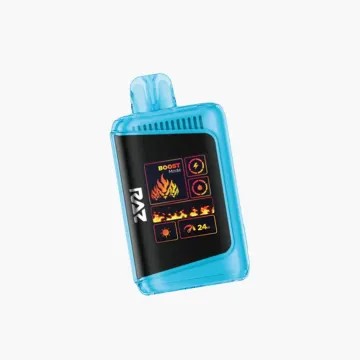
If you want to see the kind of product this debate covers, the HQD Snap 50K is the Nixodine device we stock for adults 21+. Prefer to stay with traditional nicotine vapes, which are clearly covered by existing rules, while the analogue picture settles? Browse our disposable vapes instead. Either way, the rule of thumb is simple: verify current law before you buy.
Is Nixodine Legal FAQ
Is Nixodine legal in the United States?
There's no clear national answer. Nixodine is a nicotine analogue with no tobacco-derived nicotine, so its makers argue it sits outside the FDA's Tobacco Control Act and market it as "PMTA-exempt." The FDA hasn't ruled it exempt, though, and states can set their own rules. California already treats nicotine analogues like nicotine. So legality depends on your state, and it's changing. This isn't legal advice, so verify your current local law.
Is Nixodine banned anywhere?
California is the clearest example of a state that has effectively closed the loophole. Its 2024 law, AB 3218, revised the definition of nicotine to include "nicotinic alkaloids and nicotine analogs," which pulls products like Nixodine under the same tobacco and flavor rules as regular nicotine vapes. Denver has taken a similar local step. Other states are debating registry and inhalable-product rules that could have the same effect.
Is Nixodine FDA-approved or FDA-exempt?
Neither, in a strict sense. Nixodine is not FDA-approved. Its makers say it's "PMTA-exempt" and "not evaluated by the FDA" because it isn't tobacco-derived nicotine. But "not evaluated" means the FDA simply hasn't reviewed it, which is different from an official exemption or approval. Whether the FDA ultimately treats analogues like 6-methylnicotine as "nicotine" is still an open question.
Will Nixodine become illegal in more states?
It's a reasonable expectation. Many state laws were written before non-nicotine inhalables existed, so they don't mention analogues yet. California's AB 3218 gives other legislatures a template to copy, and registry and inhalable-product debates are spreading. Expect more states to add analogue language across 2026 and 2027. Always re-check your state's current rules rather than assuming today's status will hold.
The Takeaway
Nixodine's legal status is a snapshot in motion. Its makers have a genuine argument that today's federal wording doesn't reach it, and in many states there's no analogue-specific rule yet. But California has already shown how quickly that gap can close, and the broader trend points toward more coverage, not less. For a fuller understanding of the product itself, start with our pillar guide, What Is Nixodine?, and check your state's current law before you make any decision.
This article is for educational purposes only and is not legal advice. The regulation of nicotine analogues is a fast-moving gray area, and this overview may not reflect the latest changes in your state or city. Verify current federal, state, and local rules, and consult a qualified attorney for compliance questions. Nixodine is a nicotine alternative for adults 21+ and has not been evaluated by the FDA.