Last updated: September 2026
Heads up: This article is educational only. It isn't medical or legal advice, and it isn't a guide to beating a test. Nixodine is an adult product for people 21 and up. Always be honest with doctors, employers, and testing labs about what you use.
Generally, no. A standard nicotine test looks for a chemical called cotinine, which is what your body makes when it processes nicotine. Nixodine doesn't break down into cotinine, so it usually won't trigger a standard cotinine-based nicotine test. That's the short answer, and it's why a lot of people are asking about it.
But "usually" isn't "never." The result depends on the exact test being run, what's actually inside the Nixodine product you're using, and how testing methods change over time. None of that is guaranteed. If a doctor, insurer, or employer is testing you, the honest move is to tell them what you use rather than assume the test can't see it.
Key Takeaways
- Standard nicotine tests detect cotinine, the main byproduct your body makes from nicotine.
- Nixodine (often nicotinamide plus the analogue 6-methylnicotine) doesn't metabolize into cotinine, so it generally won't set off a standard cotinine test.
- This is not a loophole. Some product blends contain other compounds, specialized tests exist, and testing tech keeps evolving.
- Not being detected by a cotinine test does not mean a product is proven safe.
- Be upfront with medical providers and testers. Honesty protects your health and your record.
How a Standard Nicotine Test Actually Works
When people say "nicotine test," they almost never mean a test that looks for nicotine itself. Nicotine leaves your body fast, usually within a couple of hours. So labs look for what nicotine turns into.
That byproduct is cotinine. Your body converts roughly 70 to 80% of the nicotine you take in into cotinine, mostly through a liver enzyme called CYP2A6. Cotinine sticks around far longer than nicotine, with a half-life of about 16 to 20 hours, so it's a much more reliable marker (ARUP Consult).
Common test types all target the same thing:
- Urine tests: the most common. They screen for cotinine and sometimes other nicotine byproducts.
- Blood tests: used for insurance and some medical screenings. Also cotinine-based.
- Saliva tests: quick and non-invasive. Same cotinine target.
The key point: a standard nicotine test is really a cotinine test. If a substance doesn't create cotinine in your body, a standard screening isn't built to catch it.
| Test type | What it looks for | Detects Nixodine? |
|---|---|---|
| Standard urine | Cotinine | Generally no |
| Standard blood | Cotinine | Generally no |
| Standard saliva | Cotinine | Generally no |
| Specialized / analogue-specific lab assay | Specific compounds (may include analogues) | Possibly, if designed to |
Why Nixodine Is Different From Nicotine
Nixodine isn't nicotine, and that's the whole reason this question exists. It's marketed as a synthetic nicotine alternative. Common blends pair nicotinamide (a form of vitamin B3) with a nicotine analogue called 6-methylnicotine, sometimes shortened to 6-MN. You can read the full breakdown in our guide on Nixodine vs nicotine.
Here's the part that matters for testing. Because Nixodine isn't nicotine, your body doesn't process it the same way. It doesn't run through the same pathway that turns nicotine into cotinine. No nicotine going in means no cotinine coming out (Ecigator, VaporDNA).
6-methylnicotine is a distinct alkaloid from nicotine, and cotinine testing isn't designed to look for it (Scientific Reports, 2025). So a standard cotinine screening has nothing to grab onto. That's the mechanism behind the "generally no" answer.
Want the bigger picture on what Nixodine is and where it came from? Start with our pillar guide, What Is Nixodine?
The Caveats You Shouldn't Ignore
"Generally no" comes with real conditions. Treat these as the fine print, not footnotes.
1. It depends on the exact test
Routine screenings look for cotinine. But specialized lab assays can be built to detect specific compounds, including nicotine analogues. If a test is designed to look for 6-methylnicotine or similar molecules, that changes the answer. Most everyday tests aren't set up that way, but you can't assume every test is a basic one.
2. Products vary a lot
"Nixodine" describes a category, not a single fixed recipe. Different products use different formulas. Some blends may contain other compounds beyond nicotinamide and 6-MN, and a few could include trace amounts of substances a test might flag. What's in the bottle matters, and labels don't always tell the full story in a new, lightly regulated category.
3. Testing technology keeps evolving
As nicotine analogues get more attention from regulators and labs, tests can catch up. Analogue-specific assays already exist in research settings and may spread. A method that can't detect Nixodine today might detect it a year from now. Policies at workplaces and insurers can change just as fast.
Important: Passing a cotinine test tells you nothing about whether a product is safe. Nixodine's long-term safety is still unsettled, and some researchers have flagged concerns about analogues like 6-MN. "Not detected" and "harmless" are two completely different things. See our guide on whether Nixodine is safe.
The Honest Answer for Doctors and Testers
This part isn't about test chemistry. It's about doing the right thing.
If a doctor, insurer, or employer is testing you, the goal isn't to sneak something past them. It's to give them accurate information so they can do their job. Your doctor needs to know what you're putting in your body to give you good care. An insurer or employer is relying on honest answers.
So if you use Nixodine and someone asks, tell them. Explain that it's a nicotine alternative, not nicotine, and that standard cotinine tests aren't built to detect it. That's honest, and it protects you. Leaving something out that later turns up, or that a provider needed to know, can cause real problems for your health and your record.
Bottom line: use the cotinine fact to understand the science, not to deceive anyone.
Where This Leaves You
Nixodine generally won't show up on a standard nicotine test, because those tests hunt for cotinine and Nixodine doesn't produce it. That's a factual quirk of how the chemistry works, not a guarantee and not a loophole.
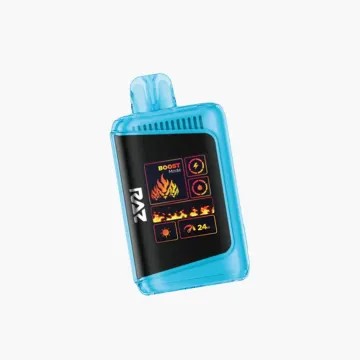
The smart approach is simple. Understand the science, respect the caveats, and stay honest with anyone testing you. If you're curious about the product side, one Nixodine device carried at Vape City USA is the HQD Snap 50K, a modular vape that uses a Nixodine formula. Just remember it's still an adult product, and "untested for cotinine" doesn't mean risk-free.
Frequently Asked Questions
Does Nixodine test positive for nicotine?
Generally no. Standard nicotine tests detect cotinine, the byproduct your body makes from nicotine. Nixodine doesn't break down into cotinine, so it usually won't test positive on a standard cotinine-based screening. Specialized or analogue-specific tests could give a different result.
What is cotinine, and why do tests look for it?
Cotinine is the main chemical your body makes when it processes nicotine. Labs test for it instead of nicotine because it stays in your system much longer, with a half-life of roughly 16 to 20 hours. That makes it a more reliable marker of nicotine use.
Should I tell my doctor I use Nixodine?
Yes. Your doctor needs an accurate picture of what you use to give you safe, effective care. Nixodine is new and its long-term effects aren't fully studied, so being upfront helps your provider make better decisions for you.
Could a nicotine test detect Nixodine in the future?
It's possible. Analogue-specific lab assays already exist in research settings, and as regulators and labs pay more attention to nicotine analogues, testing methods may expand. A test that can't detect Nixodine today might be able to later.
Disclaimer: This article is for general education and is not medical or legal advice. Nixodine is an adult product for those 21 and older. Nicotine analogues are a new and lightly studied category, and testing methods, product formulas, and laws can change. Consult a qualified professional for personal medical or legal questions, and always be honest with healthcare providers and testing authorities.