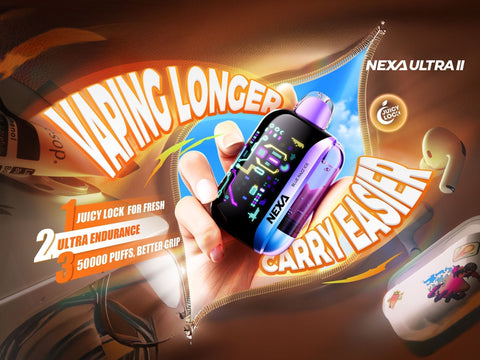
Did you know that over 1 million adult vapers in the U.S. have switched to zero-nicotine products in 2024 alone? As consumers grow more conscious about what they inhale, the demand for vaping options without nicotine has surged. Enter NoNic vapes—a novel category redefining the boundaries of nicotine-free alternatives.
This guide explores the science, user experience, regulations, and practicalities of NoNic vaping. We’ll dissect how these products mimic nicotine’s feel without delivering it, why they’ve captured the attention of ex-smokers and wellness-oriented users, and what you should know before switching.
Whether you're a smoker looking to quit, a vaper aiming to ditch nicotine, or simply curious about the next wave in inhalation technology, this is your complete guide to vaping without nicotine addiction.
What Are Synthetic Non-Nicotine Compounds?
NoNic vapes use synthetic alkaloids designed to simulate the effects of nicotine. One of the most prominent is 6-methyl-nicotine, a molecular analog engineered to bind nicotine receptors without being chemically identical to nicotine.
Unlike tobacco-derived or synthetic nicotine, these analogs are non-nicotine by legal definition. Brands like Aroma King and Kumisix leverage compounds like "NoNic6" to create a sensation similar to nicotine, yet technically nicotine-free.
Molecular Differences
Structurally, compounds like 6-methyl-nicotine differ from nicotine by small functional groups, which drastically alter classification. Nicotine is a tobacco alkaloid; 6-MN is lab-engineered and falls outside FDA tobacco product definitions. This molecular tweak enables regulatory and experiential differences.
Mechanism of Action
These compounds stimulate the nicotinic acetylcholine receptors (nAChRs) in the brain. While not identical to nicotine’s action, users report comparable sensations—calm, focus, and the characteristic throat hit.
Importantly, they aim to minimize dopaminergic overactivation, reducing addiction potential.
Current Research
Recent in-vitro studies show NoNic analogs like 6-MN produce fewer carcinogenic signals in lung epithelial cells compared to nicotine. However, comprehensive human studies are lacking. Toxicology data suggest lower acute toxicity, but regulatory scrutiny is increasing in regions like the EU.
NoNic vs. Nicotine Vapes
| Feature | NoNic Vapes | Nicotine Vapes |
|---|---|---|
| Contains Nicotine? | No | Yes |
| Addiction Risk | Lower | High |
| Sensation | Similar | Classic nicotine effect |
| Legal Status (US) | Not regulated as tobacco | Regulated by FDA |
NoNic vapes offer a transitional experience with lower addiction risks. Ideal for users stepping down from nicotine or avoiding it entirely.
NoNic vs. Cigarettes
Traditional cigarettes burn tobacco, releasing 7,000+ chemicals. NoNic vapes operate on vaporization of PG/VG-based e-liquids with synthetic analogs—no combustion, smoke, or tar.
Economic Aspects
NoNic products are often exempt from nicotine taxes, lowering user costs. Also, due to fewer regulatory fees, product development cycles are faster and more varied.
Documented Advantages
- No nicotine addiction
- No combustion or tobacco
- Lower exposure to known toxins
- Support for nicotine tapering
- Similar sensory and ritualistic satisfaction
Limitations
- Unknown long-term effects of analogs
- Behavioral dependency still possible
- Regulatory gaps may affect quality control
Harm Reduction View
While not risk-free, NoNic vapes sit below both nicotine vapes and cigarettes in the harm hierarchy. They serve as a possible bridge to complete cessation.
Medical Expert Perspectives
Experts are divided. Some suggest NoNic analogs offer a compelling alternative for addicted smokers. Others call for caution and more data, especially given France’s ban on 6-MN.
Typical User Profiles
- Ex-smokers transitioning away from nicotine
- Current vapers seeking reduced dependence
- Social adult vapers avoiding addiction
Transitioning from Nicotine
Most users step down from high mg nicotine, to low, to NoNic. The analog’s receptor activity helps reduce cravings during transition.
Ritual and Sensory Satisfaction
NoNic vapes retain the hand-to-mouth ritual, cloud production, and flavor complexity. Throat hit is mimicked using advanced analogs.
Psychological Considerations
Users report peace of mind and reduced anxiety about addiction. However, overuse due to “perceived harmlessness” is a potential pitfall.
Current Status
- USA: NoNic vapes not classified as tobacco under FDA law
- EU: France banned 6-MN; other countries reviewing legislation
- UK: Legal under consumer safety regulation, but closely monitored
Jurisdictional Differences
| Region | Regulation | Legal Status |
|---|---|---|
| USA | FDA doesn't regulate 0mg analogs | Legal |
| EU | Varies; France banned 6-MN | Mixed |
| UK | Consumer laws apply | Legal |
Implications
Users benefit from price and access, but quality control may vary. Age limits still apply universally (18+ or 21+).
Future Outlook
Expect stricter definitions that may classify analogs like 6-MN as psychoactive agents or novel inhalants, requiring testing or bans.
How to Choose
- Goal: Quit nicotine? Avoid addiction?
- Device type: Disposable or refillable?
- Flavors: Match your sensory preferences
- Reputation: Buy from brands with lab-tested transparency
Safety Tips
- Always confirm zero-nicotine status
- Check for lab certifications
- Start slow and observe body response
- Store away from children/pets
Best Practices
- Vape moderately
- Stay hydrated
- Clean devices regularly
- Taper use over time if goal is cessation
FAQs (PAA Schema Ready)
What are NoNic vapes?
Devices that mimic nicotine’s effects without containing nicotine. Use synthetic analogs like 6-MN.
Are they addictive?
Less addictive than nicotine vapes. Psychological dependence is possible.
Are they legal?
Yes in most places. Some countries (e.g., France) have banned specific analogs.
Can they help quit smoking?
Yes, they may ease the behavioral transition. Not medically approved cessation tools.
Are they safe?
Safer than cigarettes. Long-term effects still under study.
Do they feel like smoking?
Yes, with throat hit and flavor. Less harsh than smoking.
What’s in them?
PG/VG base, food-grade flavors, and nicotine analogs.
Should I use them?
If quitting nicotine is your goal, NoNic vapes may support your transition. Consult a health professional.
Conclusion
NoNic vapes represent a scientifically promising, behaviorally satisfying evolution in harm-reduction vaping. While not a silver bullet, they offer a viable nicotine exit strategy.
Stay informed, use responsibly, and make choices aligned with your health goals.
Disclaimer: This article is for informational purposes only. It does not constitute medical advice. Always consult a healthcare provider before starting or stopping any inhalable product.